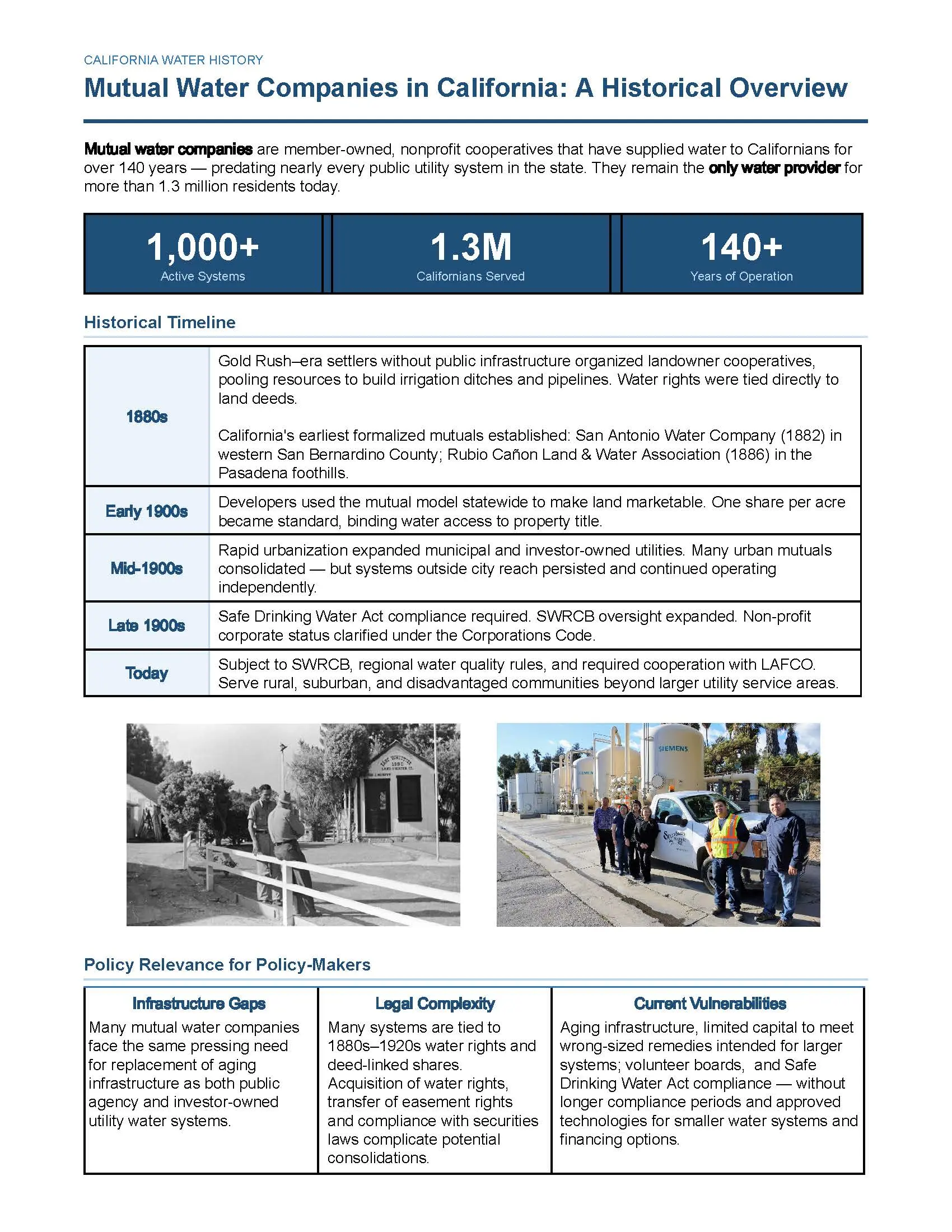
History of Mutual Water Companies in California
Origins: Cooperative Survival in a Dry State
California’s explosive growth following the Gold Rush found new settlers, farmers, and landowners without any public water infrastructure. In an arid climate, water access was not a convenience — it was survival. Early Californians responded as communities often do in the absence of government support: they cooperated. Groups of landowners pooled their resources to finance and build irrigation ditches, wells, and pipelines themselves. Water rights and access were often tied directly to land ownership, creating an inseparable link between property and water that would shape California law for generations.
These early arrangements were essentially cooperatives — communities solving a fundamental need in an arid environment where no one else would step in. Some of the oldest mutual water companies in the state date to the 1880s. The San Antonio Water Company (founded 1882) was among the earliest formalized mutual water cooperatives, serving landowners in western San Bernardino County, who organized collectively to secure reliable water access. The Rubio Canon Land & Water Association (founded 1886), established in the foothills above Pasadena, exemplified the model of tying water distribution directly to land ownership in newly settled communities.
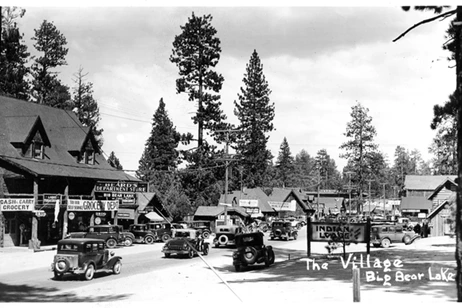
Early 1900s: Agricultural Expansion and Land Development
As California’s agriculture and real estate markets boomed in the early twentieth century, mutual water companies became an indispensable tool for turning raw land into productive, sellable property. Land developers routinely created mutual water companies to make parcels usable and marketable — without water, land in California was largely worthless. A common arrangement allocated one water share per acre of land, binding water access directly to property in a way that shaped California land law for generations.
The Bellflower and Somerset mutuals, founded in 1911, illustrate this model perfectly: water shares were legally coupled to land titles, so buying land meant automatically becoming a water shareholder. This created tight-knit communities with shared infrastructure and shared stakes in maintaining it. Large systems such as Natomas in the 1920s used the mutual model to drain, reclaim, and irrigate vast tracts, transforming marginal wetlands into some of the state’s most productive farmland.
Water access often determined whether land became productive farmland or remained entirely unusable — a dynamic that still shapes California's landscape today.
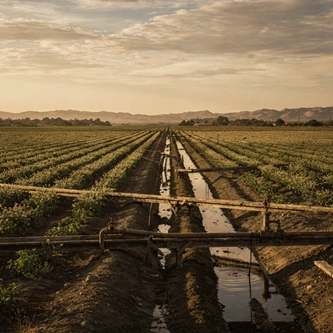
Mid-20th Century to Today: Urbanization, Persistence, and Modern Role
By the mid-twentieth century, California’s rapid urbanization reshaped the water landscape dramatically. Growing cities formed municipal water departments, and investor-owned utilities expanded under state regulation. Many mutual water companies in urban cores were absorbed or consolidated. But critically, mutuals did not disappear. They persisted wherever cities failed to extend service and wherever communities actively chose local control over outside management.
Today, mutual water companies remain a vital, if often overlooked, component of California’s water infrastructure — quietly serving more than 1.3 million Californians across more than 1,000 active systems, some with over 140 years of continuous operation. They are most commonly found in suburban pockets, rural communities, and disadvantaged communities that fall outside the reach of larger public and private systems.
Legal Structure and Key Characteristics
Mutual water companies are organized under the California Corporations Code either as general corporations or as non-profit mutual benefit corporations, owned entirely by their member-shareholders rather than outside investors. Unlike public utilities, mutuals are not legally required to serve the general public — only their shareholders hold the right to receive water service. Governance rests with a board of directors directly elected by the membership, a democratic structure that preserves local accountability and community voice. Most mutuals rely on local groundwater wells, small springs, or surface diversions, although others have connections to procure imported water.
Over time, the informal cooperative arrangements of the 1880s became formalized legal entities subject to an increasingly complex regulatory web. Today, mutual water companies are subject to oversight by the State Water Resources Control Board (SWRCB), local and regional water quality rules, with information sharing with each county’s LAFCO. Small mutuals must meet the same Safe Drinking Water Act standards as large urban utilities, without the economies of scale to make compliance affordable.
Why Mutual Water Companies Persist — and Why They Matter to Policy
Mutual water companies have survived not out of sentimentality, but because they continue to solve real problems that other institutions do not address. Extending municipal mains is often prohibitively expensive in rural or dispersed communities. Investor-owned utilities may find small systems unprofitable or may impose rates that are not affordable to many existing mutual water company customers. Many mutual water systems are inseparable from historic water rights and early 1900s land subdivision patterns — dismantling them would potentially require acquisition of water rights that would prove to be prohibitively expensive. For the 1.3 million Californians they serve, mutuals are not optional: they are the only water system available.
At the same time, the same origins that gave mutual water companies their strength also explain their most pressing vulnerabilities. As with virtually every other type of water system governance structure, systems built by member volunteers decades ago are now reaching the end of their useful lives, with limited capital reserves to fund replacement. A small, fixed customer base means limited revenue; rate increases can price out low-income members. Volunteer boards may lack the technical expertise to navigate modern regulatory requirements, creating compliance risk for small organizations. Yet, mutual water companies persist, taking creative steps to ensure their survival while complying with ever-increasing regulations and providing affordable water to their shareholders/members.